
Based on current signals, Amazon Prime Day 2026 is expected to move earlier, probably landing in late June rather than its usual July window. It’s also likely to follow last year’s format, running for four days instead of two. With compressed timelines, key decisions are moving up, and brands need to act now. They should focus on planning a strong Amazon Prime Day strategy, from allocating funding to building demand.
However, many brands still approach Prime Day the same way they always have. They pick a set of products, layer in discounts, increase spend, and expect performance to follow during the event window. In reality, by the time Prime Day starts, most of the outcome has already been determined.
What happens during those few days is heavily influenced by decisions made weeks or months earlier, from how inventory is positioned and how pricing has been managed, to how demand has been built and which audiences have been engaged. These are all key components of an effective Amazon Prime Day strategy.
Amazon Prime Day is no longer a moment to prepare for in isolation. It impacts later tentpole events such as Prime Big Deal Days and BFCM, functioning as a system in which operations, media, product strategy, and customer behavior all interact. The brands that consistently perform well are aligning those inputs in ways that allow performance to build and carry forward.

What’s Changed About Amazon Prime Day
Prime Day has become more competitive and structurally different in how it operates and how consumers respond to the event.
The Timeline Has Moved Up
The move toward a June Prime Day forces brands to rethink timing across the board.
Amazon’s Prime Day readiness playbook clearly outlines the timeline shift, with key deadlines now landing weeks earlier than most brands expect:
- Prime-exclusive price discounts: Submissions open on April 6
- Deal scheduling: Closes on May 26 for Prime-Exclusive Best Deals and Lightning Deals
- Inventory cutoffs: Late May to early June for FBA to ensure Prime eligibility
- Final readiness window: Early to mid-June, when pricing, content, and campaigns should already be locked
Brands that wait too long to define their Amazon Prime Day strategy will find themselves limited in what they can actually do when the event arrives.
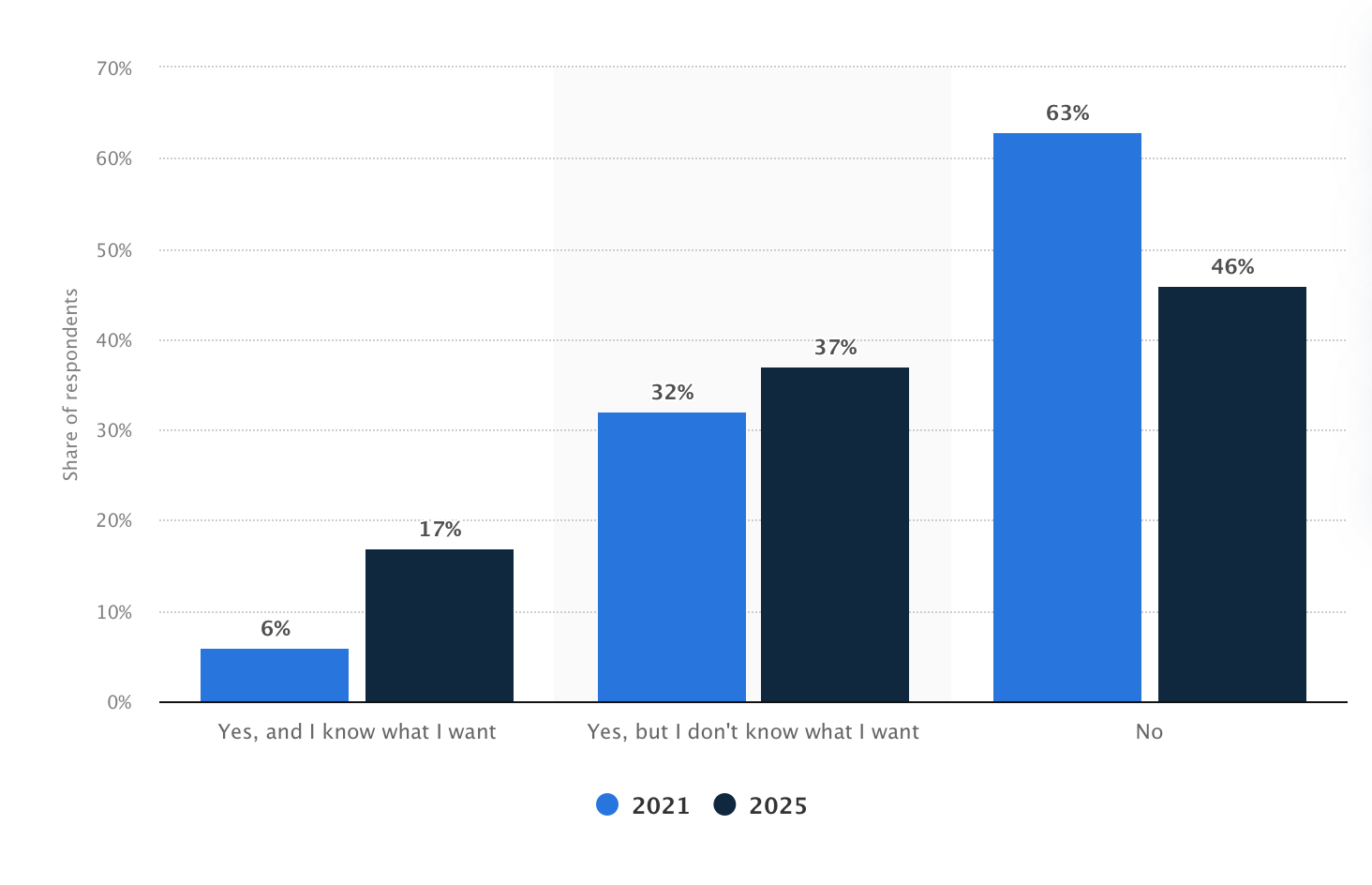
Consumers Are More Intentional
At the same time, consumer behavior has also shifted, affecting how Prime Day performs. Shoppers are more price-sensitive, but also more informed and deliberate in making purchasing decisions.
Over time, Amazon Prime Day has trained customers to wait. Many now expect to stock up or make larger purchases during promotional periods, which puts pressure on performance outside of those windows and increases expectations during the event itself. This also raises the bar for conversion. It’s no longer enough to offer a discount, as customers are actively comparing options, validating their choices, and looking for reasons to commit to a purchase.
Prime Day Is Now About Behavior
While some customers are driven by promotions, others purchase based on need, brand familiarity, or product value. That difference has always existed, but it’s now much easier to identify and act on.
With tools like Amazon Marketing Cloud and Flexible Shopping Insights, brands can distinguish between deal-driven and evergreen buyers and build more intentional paths based on behavior. Messaging can align with purchase intent, frequency can reflect engagement levels, and timing can match when customers are most likely to convert.
This goes beyond segmentation into understanding the full path to purchase. Brands can see when customers are most likely to buy, how media influences conversion beyond last-touch, and when to re-engage high-intent users based on actions like product views, add-to-cart, and cart abandonment.
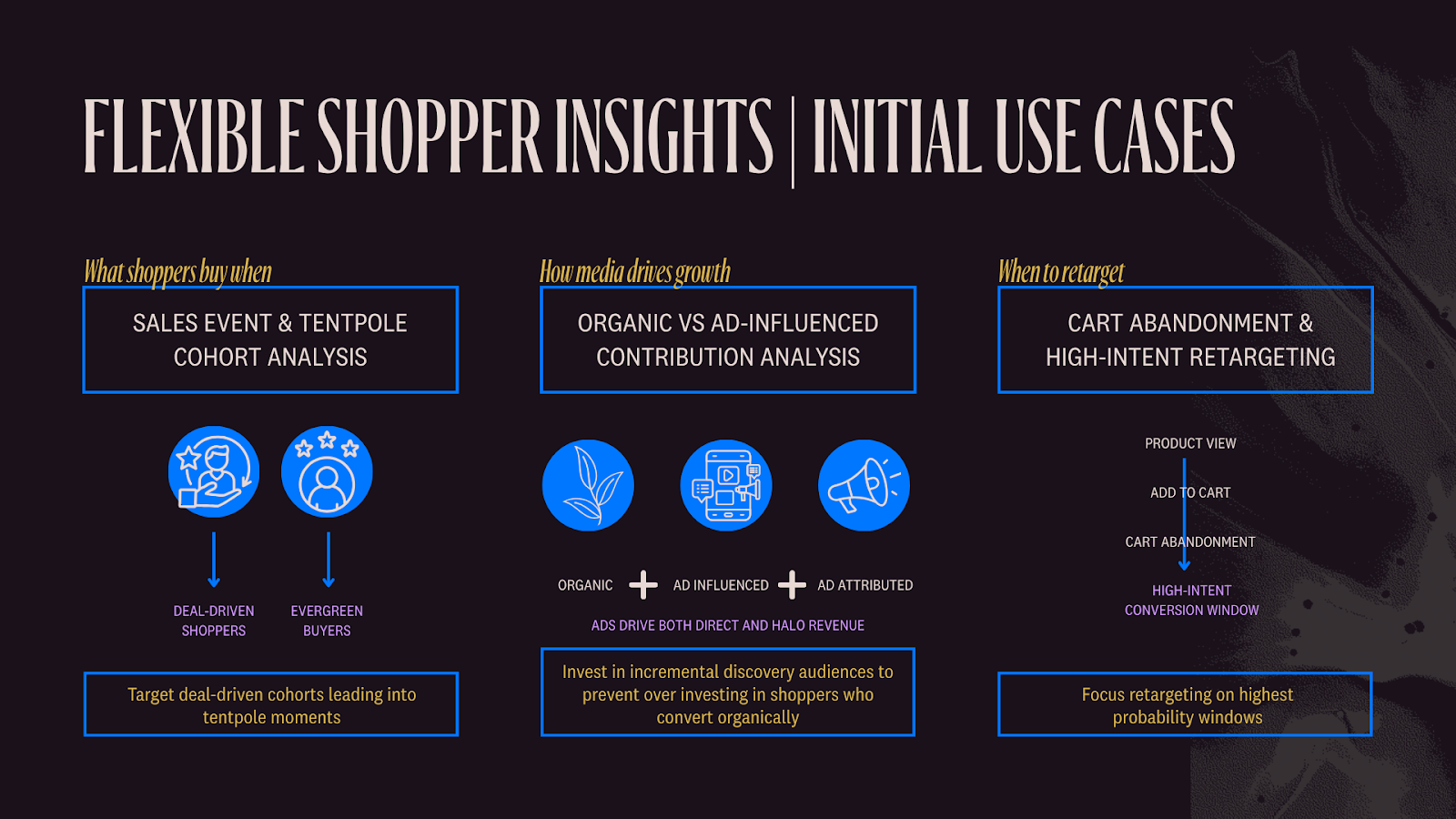
The way a customer buys during Prime Day influences how they will buy in the future, shaping long-term behavior.
Demand Doesn’t Start on Amazon
By the time someone converts during Prime Day, much of the decision-making process has already taken place. Shoppers have been exposed to products, have compared alternatives, and have built a level of familiarity with certain brands before they ever land on a search results page.
A significant portion of that happens outside of Amazon. Creator content, social platforms, and streaming environments all play a role in building awareness and trust ahead of the event. Platforms like TikTok have become especially important in this process, as they allow brands to introduce products, generate social proof, and influence consideration earlier in the journey. Driving traffic from external channels can also improve organic visibility within Amazon, reinforcing product ranking and increasing the likelihood of conversion during high-traffic periods.
Instead of relying on discovery during Prime Day, brands benefit from entering the event with already established demand. One of the clearest indicators of that demand is branded search.
- Branded queries tend to have a lower cost per click
- Conversion rates are significantly higher, often multiple times higher than non-branded terms
- Performance scales more efficiently when intent already exists
In practice, this changes how budgets are deployed. Many brands are now shifting investment into upper-funnel awareness ahead of Prime Day to build demand, then reallocating spend back into lower-funnel conversion tactics during the event itself. The goal is not to create demand in real time, but to capture it efficiently once it already exists.

Full-Funnel Strategy Is Now Measurable
Another important shift is the ability to measure how different parts of the funnel contribute to performance. In the past, upper-funnel investment was often difficult to justify because it lacked clear attribution. With Amazon Marketing Cloud, brands can now see how customers move through the funnel, from first interaction to conversion, by:
- Understanding the sequence of touchpoints that lead to purchase
- Measuring time between initial exposure and conversion
- Comparing first-touch and last-touch attribution models
Awareness and consideration are no longer treated as abstract drivers, but as measurable inputs that directly influence conversion outcomes. This also allows brands to identify which products are most effective at acquiring new-to-brand customers and to build lookalike audiences based on those behaviors, turning insights into actionable targeting strategies rather than just reporting.

Prime Day Is Part of a Larger System
As mentioned earlier, Prime Day no longer exists in isolation. The decisions made before and during the event influence Prime Big Deal Days and the broader holiday season.
Brands can now use data to understand what customers are likely to do next. For example, which products lead to repeat purchases, which cohorts continue to engage, and how buying patterns evolve after the initial transaction.
Prime Day functions as both a performance moment and a source of insight. What happens during the event feeds into future planning, making it a starting point rather than an endpoint.
The Foundation: Deal vs Evergreen Cohorts
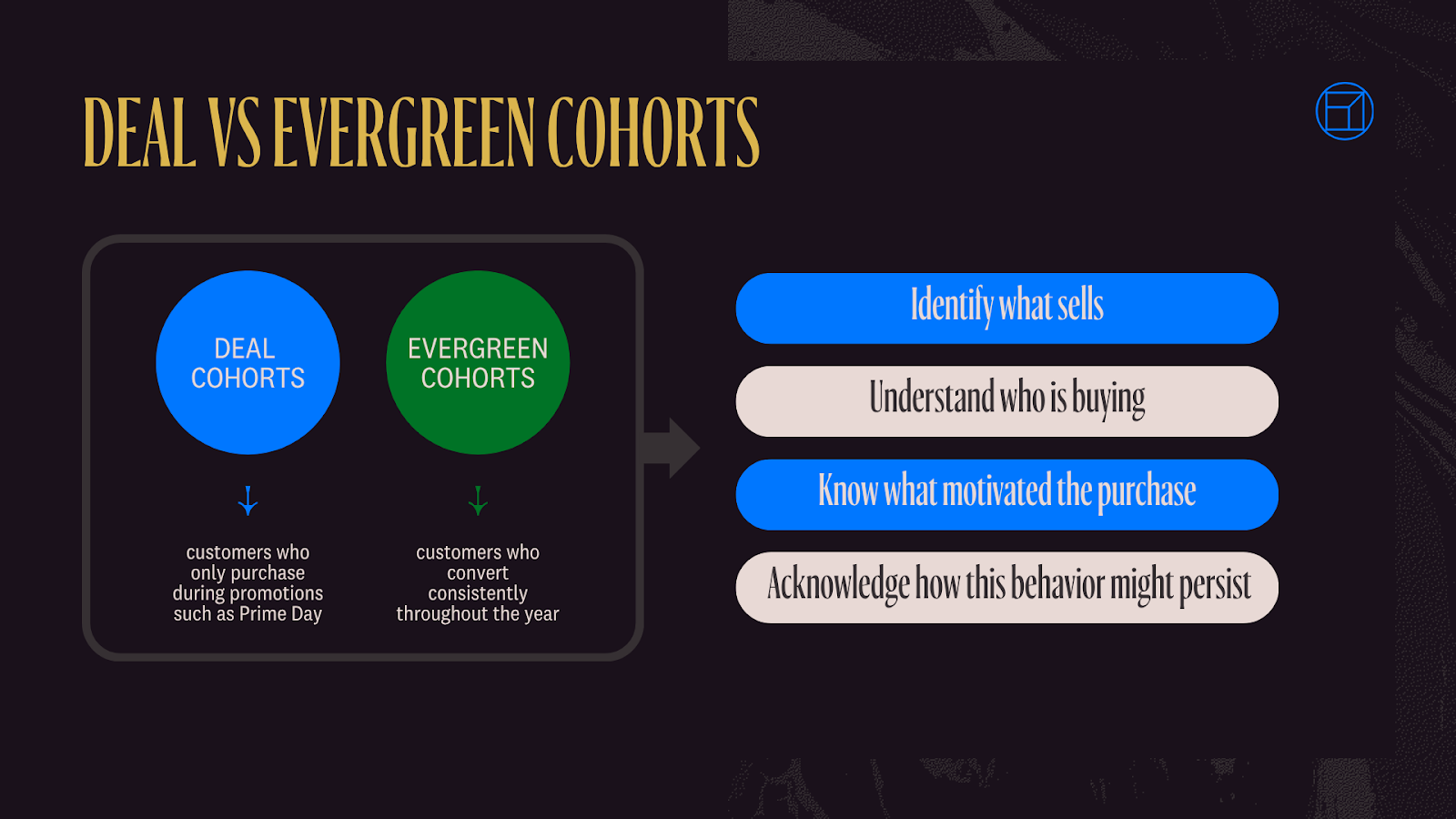
At the system’s center is a clear understanding of customer groups. In particular, the distinction between customers who primarily purchase during promotions (deal) and those who convert regardless of discounts (evergreen).
These two groups behave differently and require different approaches. Treating them the same often leads to inefficient spending and missed opportunities. A more effective approach is to build separate paths that reflect how each group engages:
- Entry points differ depending on whether a customer is discovery-driven or deal-driven
- Messaging varies based on what motivates conversion
- The timing of communication aligns with when each group is most likely to act
That way, brands can drive volume through deal shoppers while maintaining margin through evergreen buyers.

How Customer Groups Shape Product Strategy
Product strategy becomes more intentional once cohorts are defined. Some products are better suited for acquisition, particularly those that attract new customers and respond well to promotional pricing. Others are more effective at maintaining margin and encouraging repeat purchases without heavy discounting.
Prime Day becomes an opportunity to test these roles in a controlled environment. In addition to identifying what sells, brands need to understand who is buying, what motivated that purchase, and how that behavior might carry forward. Product selection should move from a reactive exercise to a strategic one, where each decision contributes to a broader objective.
Prime Day as a Feedback Loop
Amazon Prime Day works best when it is treated as part of a continuous cycle rather than a one-time event. Before the event, the focus is on building demand, defining customer groups, and selecting products that align with specific goals. During Prime Day, execution becomes more dynamic, with budgets and bids adjusted based on performance patterns and consumer behavior.
Performance patterns also vary significantly across the event itself. Brands often see the highest intent and most efficient spend on day one, when shoppers are ready to purchase. Mid-event periods tend to see more browsing behavior and lower conversion rates, while the final day often attracts late decision-makers and rebounds in performance. These patterns should directly inform how budgets are allocated across the event window.
After the event, the emphasis shifts to analysis:
- Breaking down performance by cohort
- Comparing attribution models
- Identifying what customers are most likely to do next
These insights then feed into future strategies, including upcoming promotional events and long-term retention efforts.
Flexibility Wins in 2026
Even with better data and clearer systems, Prime Day remains a dynamic environment, as consumer behavior, competitive activity, and external factors can all influence performance in real time.
Brands that perform well tend to build flexibility into their Amazon Prime Day strategy, allowing them to reallocate budgets, adjust targeting, and respond quickly to performance shifts. Being adaptable is a key advantage, especially in a compressed and high-pressure timeline.
What This Means for Your Amazon Prime Day Strategy
Planning for Prime Day in 2026 requires a broader perspective, as it’s no longer enough to focus on the event itself.
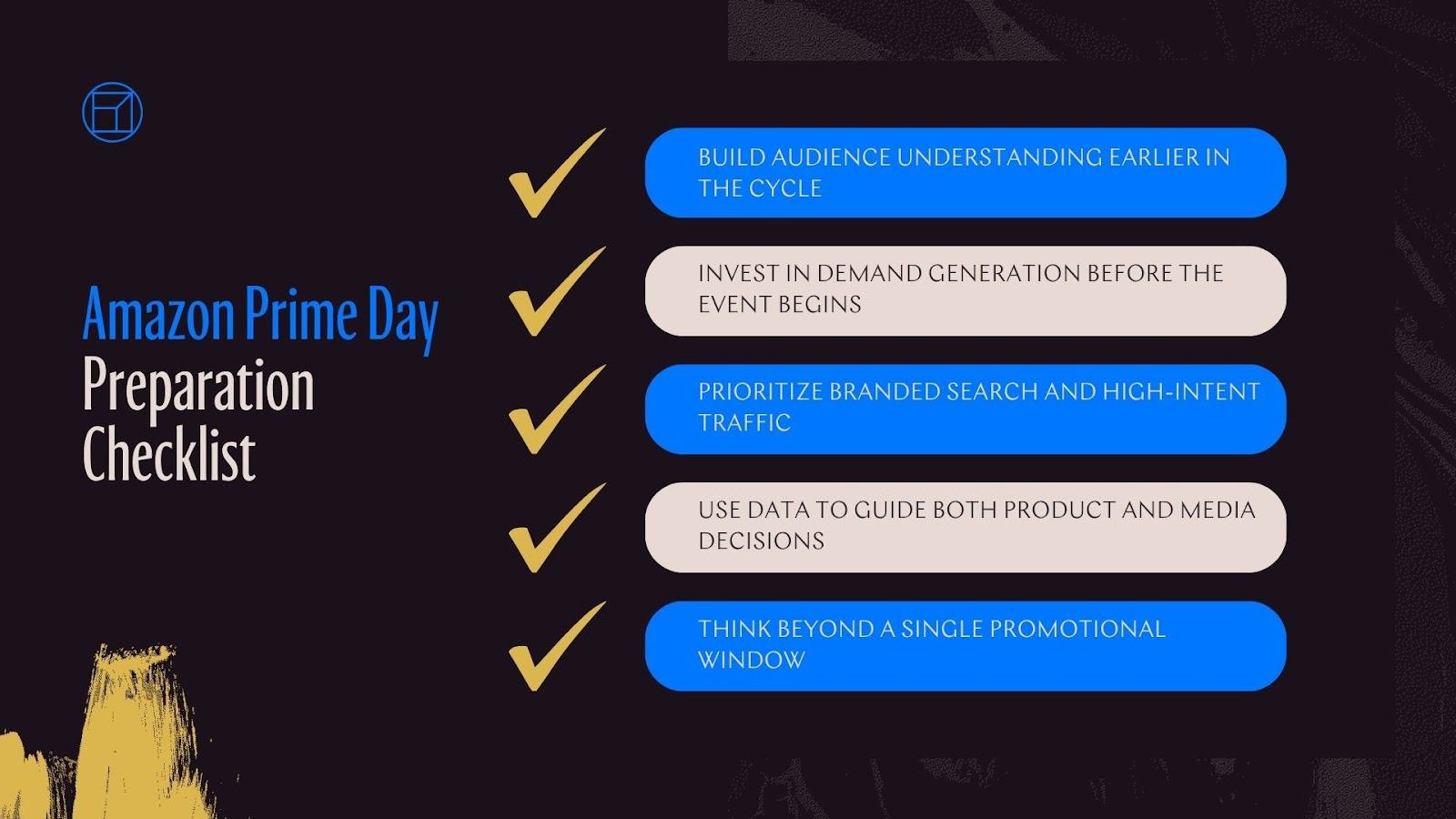
You need to:
- Build audience understanding earlier in the cycle
- Invest in demand generation before the event begins
- Prioritize branded search and high-intent traffic
- Use data to guide both product and media decisions
- Think beyond a single promotional window
By doing so, you create a stronger foundation for both immediate performance (during Prime Day) and long-term growth (post Prime Day).
Conclusion
Prime Day is no longer defined by the tactics executed during a few days in the year. It reflects how well a brand connects its operations, media strategy, product decisions, and customer understanding into a unified system.
When those elements work together, performance becomes more predictable, efficient, and sustainable. Prime Day shouldn’t be viewed as the ultimate goal itself. Rather, it serves as a driving input within a larger, ongoing process designed to generate long-term growth.
Ready to rethink your Amazon Prime Day strategy? Connect with our Amazon advertising and marketing specialists to build a system that drives performance before, during, and after the event.
Anja Pendic
Anja Pendic is the Content Marketing Specialist at Blue Wheel, where she plays a key role in creating and managing content for the company’s website. With extensive experience in digital marketing, copywriting, and social media management, she crafts engaging blogs, case studies, and landing pages. Anja has worked across various platforms, including Amazon, Meta, and TikTok, delivering impactful content and strategies.