
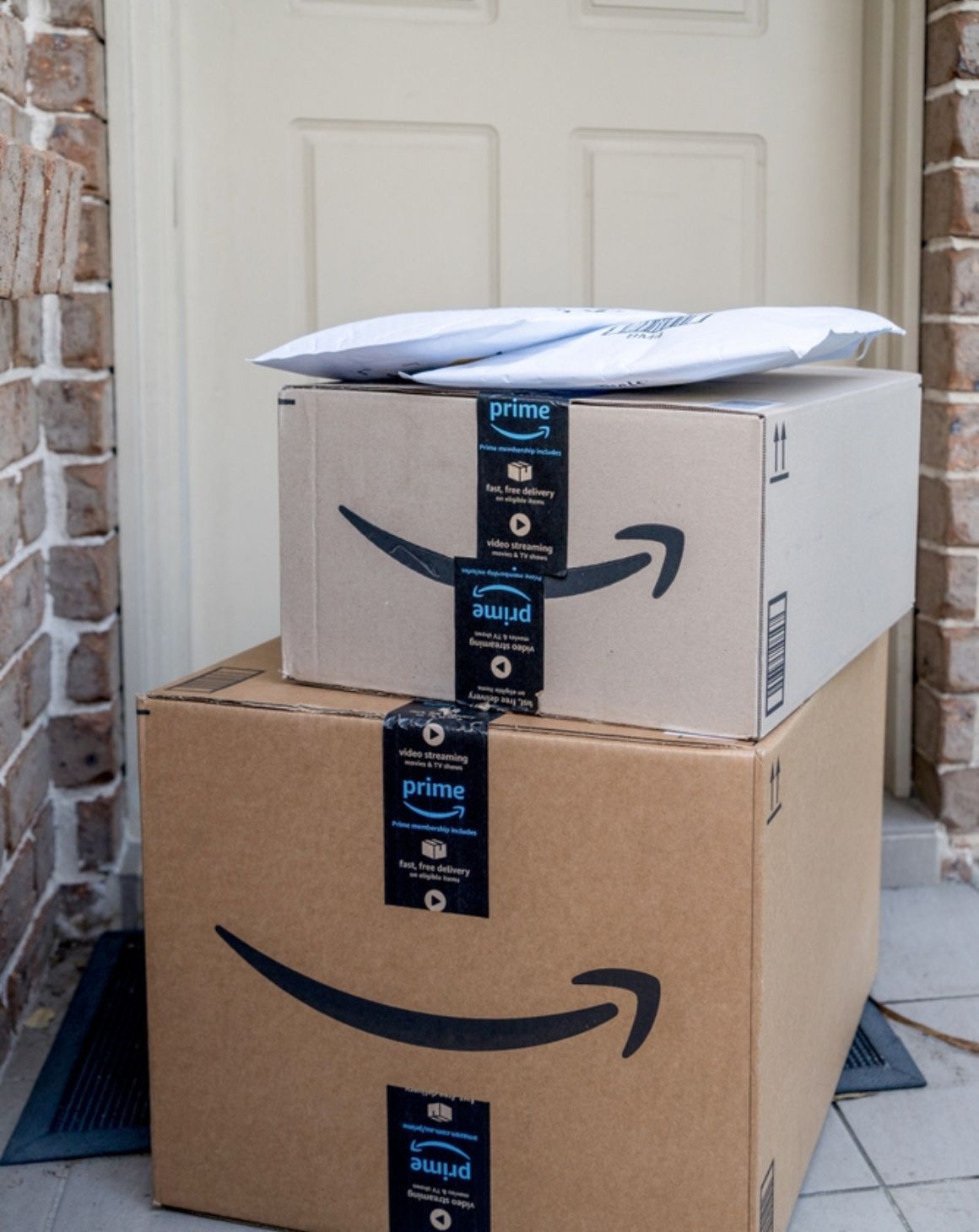
Amazon’s Prime Day is an annual sales event that features limited-time deals across a wide range of products. According to “people familiar with the matter”, Prime Day will take place in June this year instead of in July, reported by Bloomberg. The timing shift matters because it compresses planning timelines, shifts sales into Q2, and disrupts inventory planning, advertising budgets, and promotional strategies for brands.
What is Prime Day on Amazon?
Prime Day is a widely communicated, annual sales event for Prime Members – featuring steep discounts across product categories, such as tech, household, beauty, and more. Many shoppers plan purchases around Prime Day, similar to Black Friday and Cyber Monday.
Since its launch in 2015, Amazon’s Prime Day has been held in July (with the exception of covid-related interruptions in 2020 and 2021). Over time, the event has grown from a 1-day event to what is now typically a 4-day event. Brands on Amazon rely on Prime Day to bring in high-intent traffic, leading to high conversion rates and a significant jump in sales.
How is Amazon Changing Prime Day in 2026?
Amazon Prime Day 2026 is expected to take place in June instead of July. If true, it will impact the following areas for brands and sellers on Amazon:
- Event timing shift: Moving from July to June accelerates the expected retail calendar by 3-5 weeks.
- Operational changes: Inventory must be received and checked in earlier.
- Reporting implications: Revenue impact shifts into Q2 reporting instead of Q3.
Why Does a June Prime Day Impact Brands on Amazon?
Moving Amazon Prime Day up by a few weeks might not seem like a huge change – but in practice, it reshapes the mid-year playbook for brands on Amazon. Prime Day takes months of planning across inventory planning, pricing strategy, advertising, and sales forecasting. Shifting Prime Day into June compresses timelines, forcing teams to rethink how they operate across Q2 and Q3.
- Less time to plan: Spring effectively becomes Prime Day prep season, cutting several weeks out of typical timelines.
- Risk of inventory issues increase: with tighter turnaround times – your inventory units may not get received and made available for sale in time. Start prepping now to avoid issues!
- Budgets shift forward: the advertising spend you expected to use in July (Q3) shifts to June (Q2).
Preparing for a June Prime Day:
While the Prime Day dates are still uncertain, as they have yet to be officially announced, there are some key dates and requirements that Amazon has released ahead of time:
- Deal submission: open through March 24 – May 26, 2026. Those who create deals prior to April 30 will receive $50 off.
- Inventory deadlines: AWD and minimal shipment split FBA shipments arrival deadline is May 27, 2026. For Amazon-optimized shipments, the deadline is June 5, 2026.
- Pricing requirements: deals must meet a 60-day lowest price rule along with at least a 5% discount vs the last 30 days.
Key Takeaways:
- Prime Day 2026 is widely believed to be moving from July to June.
- Brands and sellers on Amazon should prepare to adjust operational timelines, such as sales forecasts, and advertising budgets for June.
- Updated deal requirements mean brands need to plan promotions more carefully.
FAQs:
Is Amazon officially moving Prime Day to June in 2026?
It’s not officially announced by Amazon yet; however, Prime Day is widely expected to land in mid-to-late June.
What are the Known 2026 Prime Day Key Deadlines?
- March 24-May 26: Deal submissions open
- April 30: $50 off for early deal submission ends
- May 27: AWD & minimal-split FBA shipment arrival deadline
- June 5: Amazon-optimized split FBA shipment arrival deadline
What are the Deal Pricing Requirements for Prime Day?
Deals must meet a 60-day lowest price rule along with at least a 5% discount vs the last 30 days.

Julia Asburry is the Senior Marketplace Support Analyst at Blue Wheel, where she plays a vital role in enhancing Account Health and Customer Service management. Her work empowers our clients to not just sustain, but truly thrive in the eCommerce landscape. With over half a decade of diverse experience in the industry, she wears many hats within the organization, bringing a wealth of expertise that propels us forward and helps set us apart.



.png)
.png)
.avif)