
In our recent analysis of how AI is reshaping discovery, targeting, and conversion strategy across Amazon, one theme stood out: visibility is becoming intent-driven. AI systems, including Rufus and semantic ranking models such as COSMO, are influencing how products are surfaced, how audiences are matched, and how performance signals are reinforced.
Keywords still matter. But discovery is no longer determined solely by keyword presence. It is shaped by how clearly a product communicates its purpose, intended audience, and real-world use case.
If AI evaluates a Product Detail Page (PDP) based on cohesion, contextual depth, and behavioral validation, then page structure becomes a visibility lever. PDP optimization must be approached as structured communication that clearly and contextually defines the product.
In this blog, we break down how Amazon’s AI evaluates PDPs and outline practical guidelines for brands to improve discoverability.
Discovery Is Now Intent-Led
As shoppers increasingly use conversational search, they are moving beyond short keyword queries and describing problems, goals, and scenarios. For example, instead of searching for “running shoes women,” a consumer may ask about marathon training, trail stability, foot pain support, or long-distance comfort.
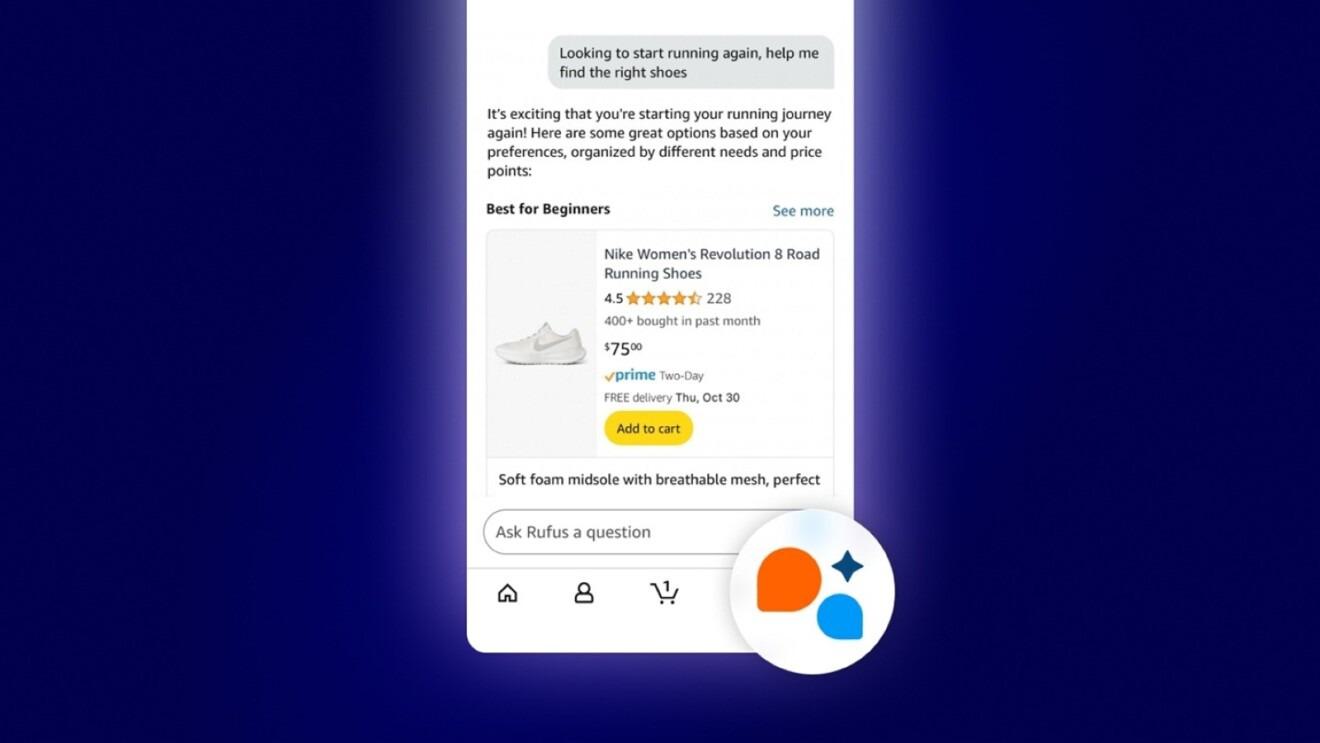
Amazon’s AI systems interpret those prompts differently. Tools like Rufus and COSMO evaluate meaning instead of just keywords. They connect conversational prompts to products that align with the underlying mission. Relevance is now shaped by how well your PDP communicates purpose and use case.
At a practical level, Amazon’s AI evaluates multiple signals to determine whether a product should be surfaced through:
- Title clarity and product definition.
- Bullet points that demonstrate use-case coverage.
- Reviews and sentiment trends that reinforce credibility.
- Q&A content that reflects whether common shopper concerns are addressed.
- External authority and trust signals can also further strengthen confidence.
Taken together, these inputs allow AI to assess PDPs more like a personal shopper than a traditional search engine. The system is asking: Does this product clearly solve the problem being described?
This is where semantic relevance becomes critical. COSMO maps products to intent clusters rather than isolated search terms. It interprets context and looks for alignment between a shopper’s goal and a product’s positioning.
Strong PDPs make four things immediately clear:
- What the product is
- Who it is for
- When it should be used
- Why it is meaningfully different
When these signals are fragmented or inconsistent, the AI struggles to understand your product. When they are cohesive and reinforced across the entire page, your product's discoverability is significantly boosted. Simply put, clarity is now a major ranking advantage on Amazon.
Now that we understand the 'why,' it's time to focus on the 'how.' Let's dive into how to fine-tune every part of your Product Detail Page so that it's easy for AI to discover and interpret.
Title Should Clearly Define the Product
The title sets the foundation for how AI comprehends a product. Rather than repeating variations of the same keyword, it should function as a precise definition.
Effective PDP titles:
- Clearly define the category
- Identify the intended audience
- Include the primary function
- Highlight one meaningful differentiator
- Use natural phrasing
Semantic alignment improves when titles focus on definition rather than density. This means Amazon’s AI systems can more confidently connect the product to shopper queries that describe real-world scenarios. Think less about repeating category phrases (no more keyword stuffing!) and more about answering the question: What is this, exactly, and what are its features and benefits?
Bullet Points Must Translate Features Into Benefits
Many PDPs still treat bullet points as a list of product specifications, thus limiting interpretability. AI systems prioritize context. Instead of presenting features in isolation, bullet points should explain how they solve a problem or improve an experience.
Each bullet point should link:
- The product’s feature
- The benefit received
- A use-case scenario
For example, stating that a midsole absorbs impact is helpful, but explaining that it reduces joint strain during long-distance training is stronger.
Collectively, bullet points should cover:
- Primary use case
- Secondary scenarios
- Performance validation
- Risk reduction
- Differentiation
By the time a shopper finishes reading, the product’s role in their life should feel clear. The goal is to make the product’s purpose unquestionable both for customers and AI.
Description Should Reinforce a Clear Positioning
Product descriptions often become repetitive or overly technical, which weakens clarity for AI. Instead, they should expand on the product’s mission and demonstrate how it fits into real-life use.
Use product descriptions to:
- Reinforce the core mission
- Provide deeper context
- Address anticipated concerns
Consistency across the PDP matters more than length. If the title positions the product for performance use, the description should not pivot to a generic lifestyle message.
A+ Content and Visual Assets Should Support the Same Story
Enhanced content plays a big role in how Amazon’s Rufus and COSMO interpret your PDP. Comparison charts, feature breakdowns, and benefit modules reinforce semantic coverage when they align with the product’s primary use case. Consistency across title, bullets, and A+ content increases interpretive confidence.
Visuals carry even greater weight. Text overlays within images and rich alt tags can turn benefit-driven visuals into discoverability signals. AI systems can also extract contextual meaning from imagery itself. Showing the product in real-world use reinforces intent alignment in a way isolated product shots cannot.
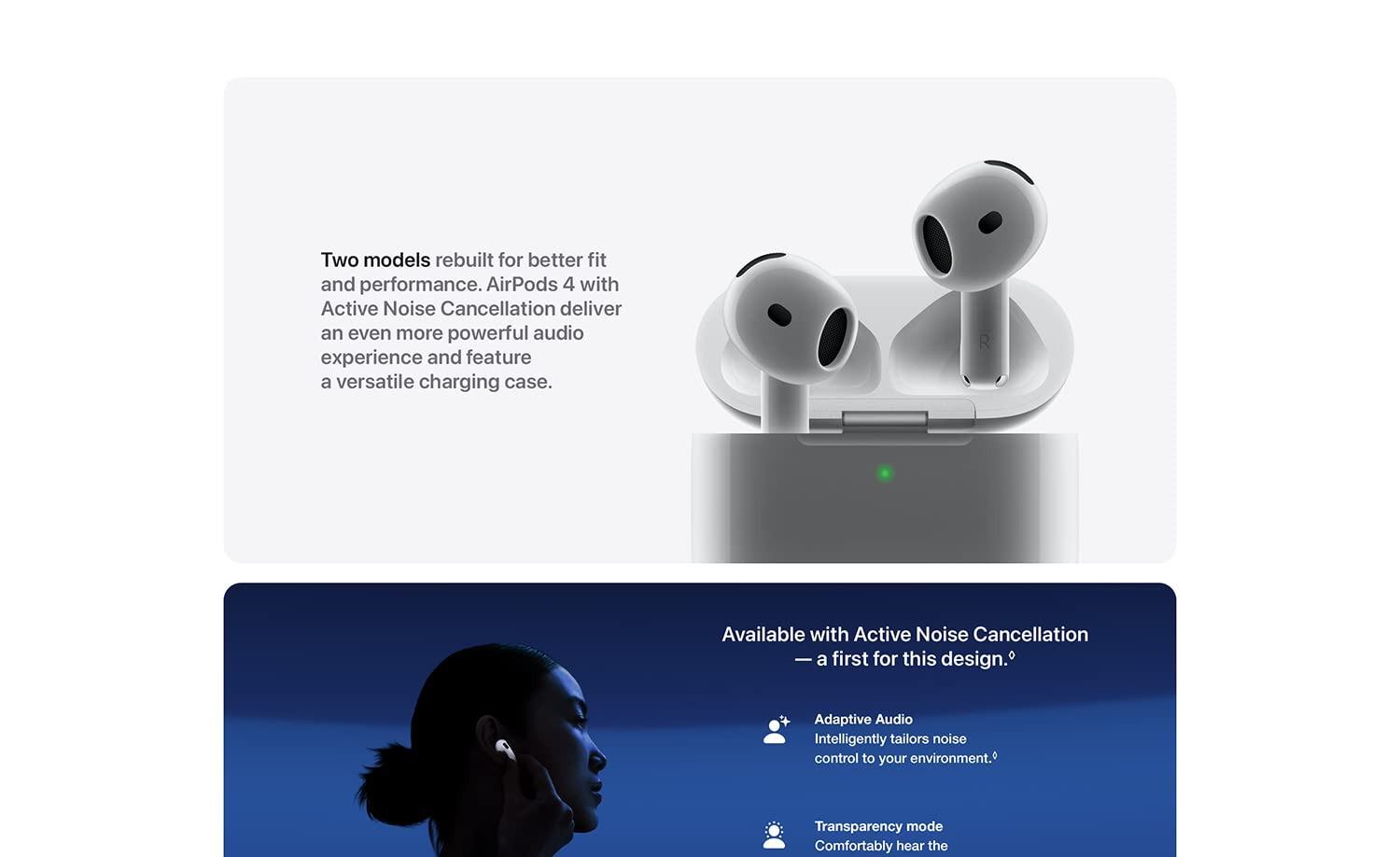
As AI expands its ability to interpret visual context, these assets increasingly influence how products are evaluated for relevance.
When written messaging and visuals tell different stories, clarity suffers both for shoppers and AI systems, but when they reinforce the same positioning, your product discoverability improves.
Reviews Provide Validation Signals
Review content offers a layer of validation that AI systems evaluate closely. Recurring themes in customer language strengthen semantic consistency. Repeated references to durability, comfort, fit, or reliability reinforce positioning. Just as importantly, customer concerns highlight gaps that should be addressed directly within the PDP.
But reviews are more than proof points. They give you insight into how shoppers describe problems, expectations, and outcomes in their own words. When analyzed properly, review language can be reverse-engineered into the types of prompts customers are likely to use in conversational search.
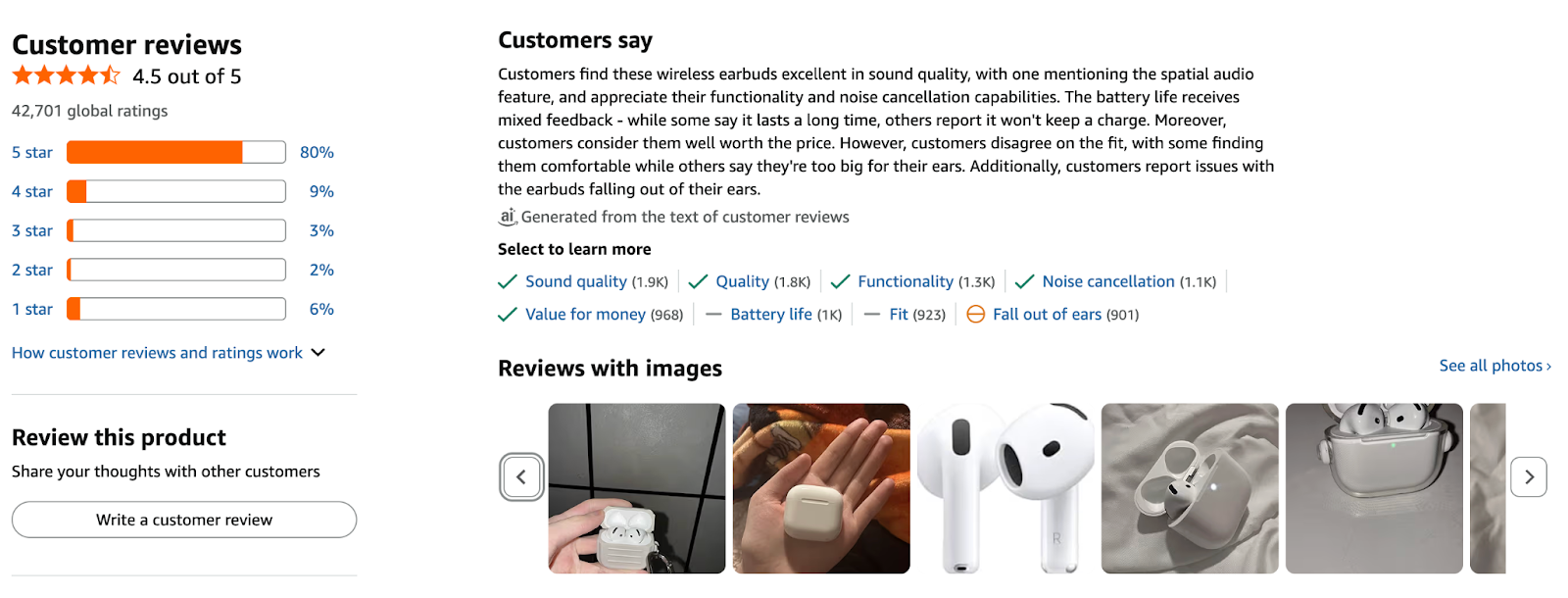
Phrasing patterns reveal how shoppers frame their needs. Those patterns can inform title structure, bullet language, and use-case coverage so PDP messaging aligns with real-world intent rather than internal brand terminology.
Brands that actively analyze review sentiment and language can refine PDP content to reflect validated strengths, anticipate objections, and better match the way customers actually search and ask questions. Consistency between claims and experience supports visibility.
PDP Readiness Checklist for AI Discovery
Before publishing or refreshing a PDP, step back and evaluate it the way an AI system would, using the following checklist:
- The product category is clearly defined
- The target audience is explicitly stated
- Primary mission is reinforced throughout
- Features are connected to outcomes
- Differentiation is clearly articulated
- Strategic keyword use is maintained
- Review language is integrated
- Objections are addressed
- A+ content is optimized for relevance
- Image text overlays reinforce benefits
- Messaging is consistent across all assets
If any of these elements feel fragmented or incomplete, interpretability weakens; if they work together cohesively, discoverability strengthens.
The Structural Advantage in an AI-Driven Marketplace
Visibility on Amazon is increasingly tied to performance signals. Here's how the loop works: Discovery leads to conversion. Conversion strengthens targeting. Targeting improves efficiency. AI systems sit at the center of that feedback loop.
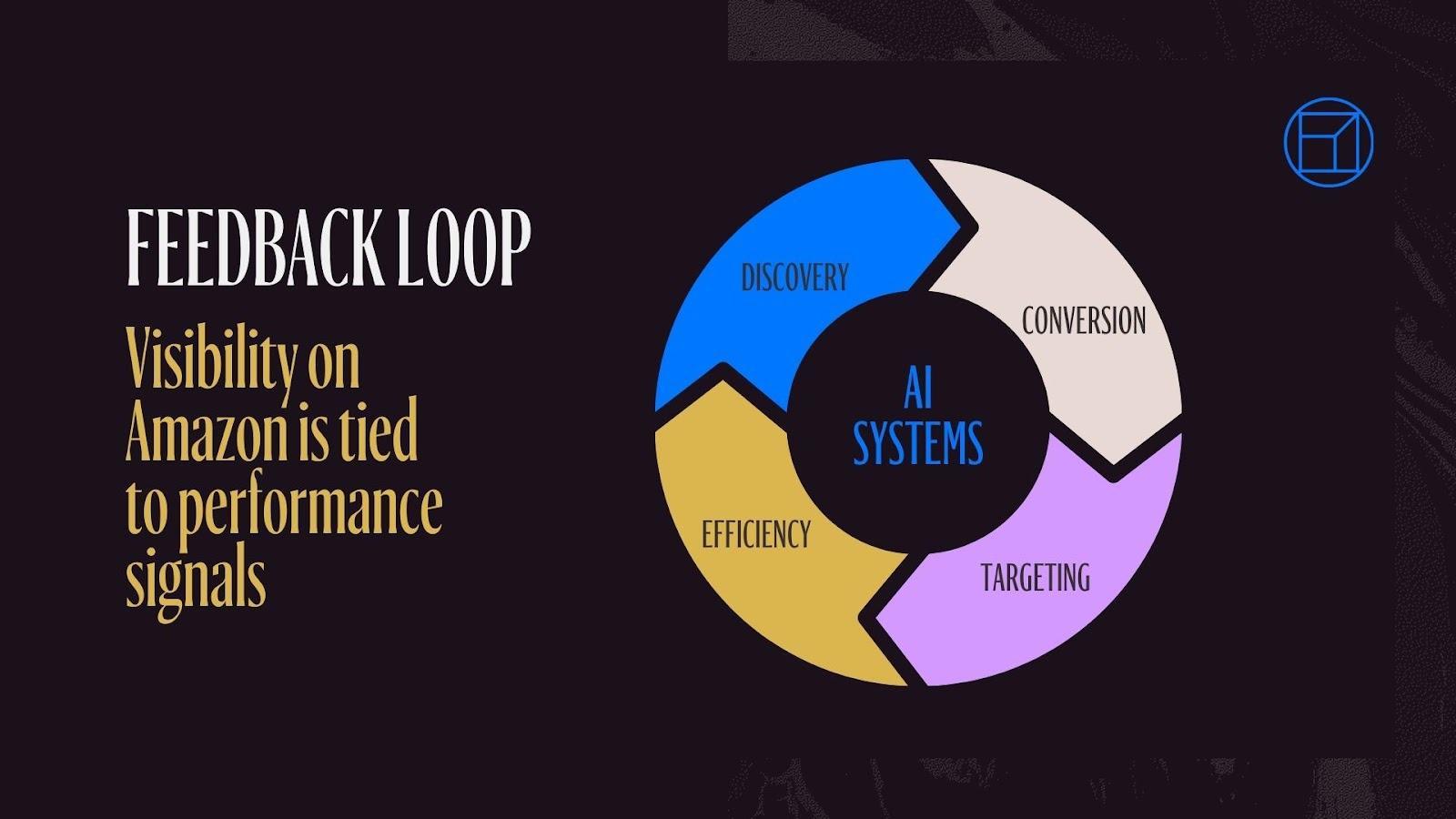
Product detail pages have become dynamic inputs that feed this system. When you structure PDP with a focus on clear shopper intent, support it with consistent brand messaging, and validate it with real buyer behavior, you boost both organic findability and the effectiveness of your paid ads. Conversely, when your PDPs are messy or just a collection of keywords without clear context, the AI struggles to understand them.
Brands that see PDP optimization as creating a clear, structured conversation rather than just mechanical SEO will be better positioned as AI's influence over how products are surfaced continues to grow.
At Blue Wheel, we help brands audit existing PDPs, identify structural gaps, and implement scalable optimization strategies that align content with shopper intent and AI-driven discovery systems. From messaging refinement to full portfolio restructuring, we ensure your product detail pages are built for how Amazon surfaces products today.
Anja Pendic
Anja Pendic is the Content Marketing Specialist at Blue Wheel, where she plays a key role in creating and managing content for the company’s website. With extensive experience in digital marketing, copywriting, and social media management, she crafts engaging blogs, case studies, and landing pages. Anja has worked across various platforms, including Amazon, Meta, and TikTok, delivering impactful content and strategies.